Buying a Second Home? Insuring a Second Property Isn’t Always Straightforward
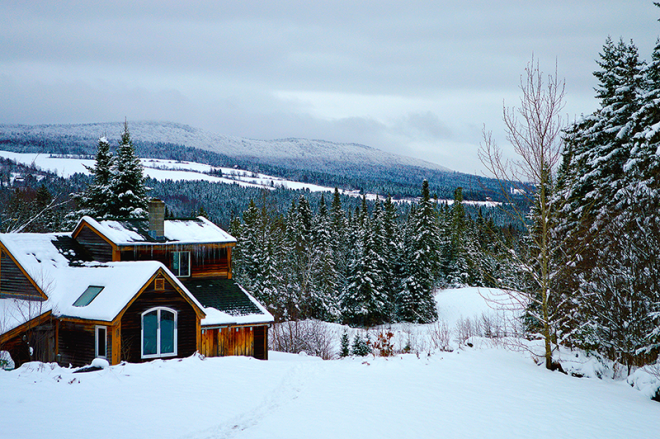
For many people, buying a second home is something they’ve worked toward for years. Maybe it’s a cottage on a New Hampshire lake, a ski condo in the White Mountains, a quiet place along the Maine coast, or a home somewhere warmer where you can escape the New England winter. Insuring a second property isn’t always as straightforward as insuring the home you live in every day. How often you’re there, how the property is used, and what happens when you’re away can all affect the coverage you need.
At Boufford Insurance, we encourage clients to discuss insurance early in the process of buying a second home. Understanding the property’s insurance requirements before closing can help you avoid surprises and make sure your new investment is properly protected.
A Second Home Isn’t Always Insured Like Your Primary Residence
When you purchase your first home, the insurance arrangement is usually relatively straightforward. You live there, maintain the property, and have a homeowners policy designed around that occupancy. A second home can be different. You may only visit on weekends, use it during the summer, or spend several months there each year. It might sit empty for extended periods, particularly during the winter. Insurance companies consider these details when determining what coverage is available and how a property should be insured.
A seasonal cottage, a year-round vacation home, and a property rented to guests may all require different insurance arrangements. That’s why it’s important to explain exactly how you plan to use the property rather than assuming a standard homeowners policy will be sufficient.
What Happens When Nobody’s Home?
One of the biggest differences between a primary residence and a second home is how much time the property may be unoccupied. At your primary home, a leaking pipe, heating system problem, or storm-related issue may be noticed relatively quickly. At a vacation property, the same problem could go undetected for days or even weeks.
In New England, winter creates additional concerns. Frozen pipes, heavy snow, ice dams, and heating system failures can cause significant damage when a property is left unattended. Insurance policies may contain conditions, exclusions, or limitations related to vacancy, unoccupancy, and the steps owners must take to protect a property.
Before purchasing a second home, it’s important to understand what your policy requires and how the insurance company defines the property’s occupancy.
Planning to Rent It Out Occasionally?
Many second-home owners consider renting their property when they’re not using it. A lake house might be rented for a few summer weeks. A ski condo could generate income during the winter. Others may list their property through Airbnb, Vrbo, or a local vacation rental company. That rental income can help offset ownership expenses, but it also changes the insurance picture. A policy intended for personal vacation use may not provide appropriate coverage for short-term rental activity. Renting the property can introduce additional liability exposures, potential property damage by guests, and questions about lost rental income following a covered loss.
Depending on the property and how frequently it’s rented, you may need a specific endorsement, a vacation rental policy, or another insurance arrangement. Don’t assume the insurance offered by a rental platform replaces the need for your own coverage. Platform protections can have limitations and may not address every exposure.
It’s best to discuss your rental plans with your insurance agent before accepting your first reservation.
Location Brings Its Own Insurance Considerations
Part of the appeal of a second home is often its location. A house on the lake, a cottage near the ocean, or a cabin tucked into the mountains can offer a wonderful change of scenery. But those locations can also present risks that differ from those at your primary residence. Waterfront properties may have flood exposure that isn’t covered under a standard homeowners policy. Coastal homes can face additional wind and storm considerations. Remote properties may have different fire protection resources or access challenges.
Your agent can help you evaluate location-specific concerns and determine whether separate flood insurance or other additional coverage should be considered.
Don’t Forget About the Property Inside the Home
Second homes are often furnished gradually. You may bring furniture from your primary residence, purchase appliances, add televisions and electronics, or store recreational equipment at the property. Over time, the value of those belongings can become substantial.
Personal property coverage can vary depending on the type of policy and how the home is used. Some policies may provide different limits or coverage terms for belongings kept at a secondary residence. If you keep boats, kayaks, snowmobiles, ATVs, or other recreational equipment at the property, those items may require separate insurance.
An insurance review can help determine what’s covered under the property’s policy, what may be covered elsewhere, and where additional protection is appropriate.
Owning Two Homes Can Change Your Liability Needs
A second home means another property where an accident or injury could potentially lead to a liability claim. Perhaps someone slips on an icy walkway, a guest is injured while visiting, or an incident occurs involving recreational activities at the property. These situations make it important to review your personal liability protection across both homes. If you already have an umbrella policy, your agent should know about the additional property so the policy can be reviewed for appropriate coverage and underlying insurance requirements. If you don’t have umbrella insurance, purchasing a second home may be a good reason to consider it.
Umbrella policies can provide additional personal liability protection above qualifying underlying policies, subject to their terms and exclusions.
Why Independent Guidance Matters
Buying a second home involves more than simply adding another address to your insurance paperwork. The property’s location, construction, occupancy, rental use, and seasonal risks can all affect the type of coverage you need and which insurance companies are willing to provide it.
At Boufford Insurance, we can help you evaluate those details before you purchase. As an independent insurance agency, we work with multiple insurance companies and can compare options based on your property’s characteristics and how you intend to use it. We can also review how the new property fits with your existing homeowners, auto, and umbrella coverage so your insurance protection works together.
If you’re considering a second home—or already own one and haven’t reviewed the coverage recently—contact Boufford Insurance. We’ll help you understand your options, identify potential gaps, and make sure your insurance reflects how you actually use the property.