Insuring a Second Home Isn’t the Same as Your Primary Home
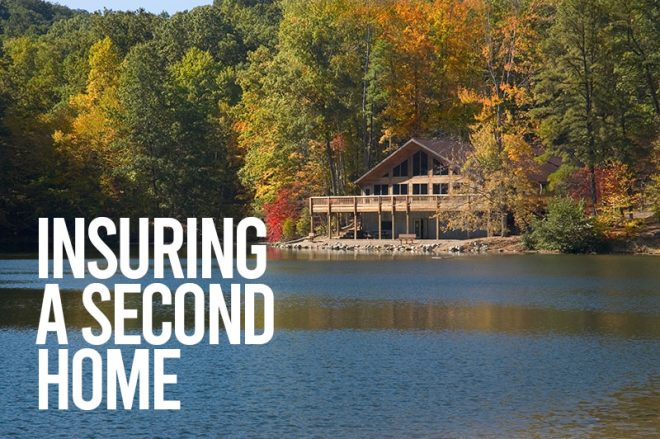
Owning a vacation or second home is something many people work toward for years. Whether it’s a lake house, a coastal getaway, or a quiet place in the mountains, it’s meant to be a place to relax and enjoy. But when it comes to insuring a second home, it isn’t just another version of your primary residence.
It comes with a different set of risks—and those differences matter.
At Boufford Insurance, we often see second homes insured the same way as primary homes, even though how they’re used can vary significantly. That’s where gaps can start to appear.
Seasonal vs. Year-Round Use: Why It Matters
Not all second homes are used the same way—and insurance reflects that.
Some properties are truly seasonal. They may be closed up during the winter or only used a few months each year.
Others are used more frequently, even year-round, but still aren’t considered a primary residence.
That distinction matters because:
- Seasonal homes may have stricter requirements for winterization, inspections, or vacancy
• Year-round second homes may qualify for broader coverage—but still carry different underwriting considerations than a primary home
• The amount of time a home is unoccupied can impact both pricing and eligibility
Even something as simple as how often you visit the property can affect how a policy should be written.
Vacant vs. Unoccupied: A Critical Difference
This is one of the most misunderstood aspects of insuring a second home.
- Unoccupied means the home is furnished and intended for use, but no one is there temporarily
• Vacant means the home is empty, with little or no furnishings, and not in regular use
Why does this matter?
Because many insurance policies limit or exclude certain types of coverage—especially water damage—if a home is considered vacant for a period of time.
For a seasonal property, this can become a serious issue if the policy isn’t structured correctly.
Coverage Needs Often Go Beyond a Standard Policy
Because of these added risks, second homes often require adjustments or enhancements beyond a standard homeowners policy.
That can include:
- Higher liability limits, especially if guests frequently use the property
• Specific requirements for heat, monitoring systems, or regular check-ins
• Additional protection for detached structures, docks, or outbuildings
• Consideration for location-specific risks like coastal exposure or snow load
In some cases, a different carrier—or even a specialty policy—may be the better fit.
Why Independent Guidance Matters
There’s no one-size-fits-all approach to insuring a second home.
An independent insurance agent helps match the policy to how the property is actually used.
That includes:
- Understanding whether the home is seasonal or year-round
• Reviewing how often it’s occupied—and by whom
• Identifying risks based on location and property type
• Comparing coverage options across multiple carriers
• Making sure policy conditions align with real-world use
At Boufford Insurance, we take the time to look at the full picture so your coverage reflects how your second home fits into your life—not just how it’s categorized on paper.
If you haven’t reviewed your second home coverage recently, now is a good time. Boufford Insurance can help ensure your policy accounts for how the property is used, the risks it faces, and the protection you expect when you’re not there.